Start with how you actually use the vehicle
Occasional gravel tracks and firm dirt roads put very different demands on underbody protection compared to genuine rock crawling, creek crossings, or long remote touring. Be honest about which category you're really in before comparing materials.
If weight and handling matter to you
Aluminium at 6mm thickness gives you real impact protection at a meaningfully lower weight than steel, which matters if you're sensitive to how added weight affects handling, fuel use, or an already-loaded touring setup.
If you're regularly near salt water or year-round wet conditions
Aluminium's corrosion resistance is a genuine long-term advantage in coastal or consistently wet environments, where a steel plate's coating is under constant pressure from scratches and chips letting moisture in.
If upfront cost is the deciding factor
Steel plates are typically cheaper to buy, which can make sense for a vehicle used less frequently off-road or in a drier inland climate where corrosion is less of a concern — as long as you're comfortable with the added weight.
Our take
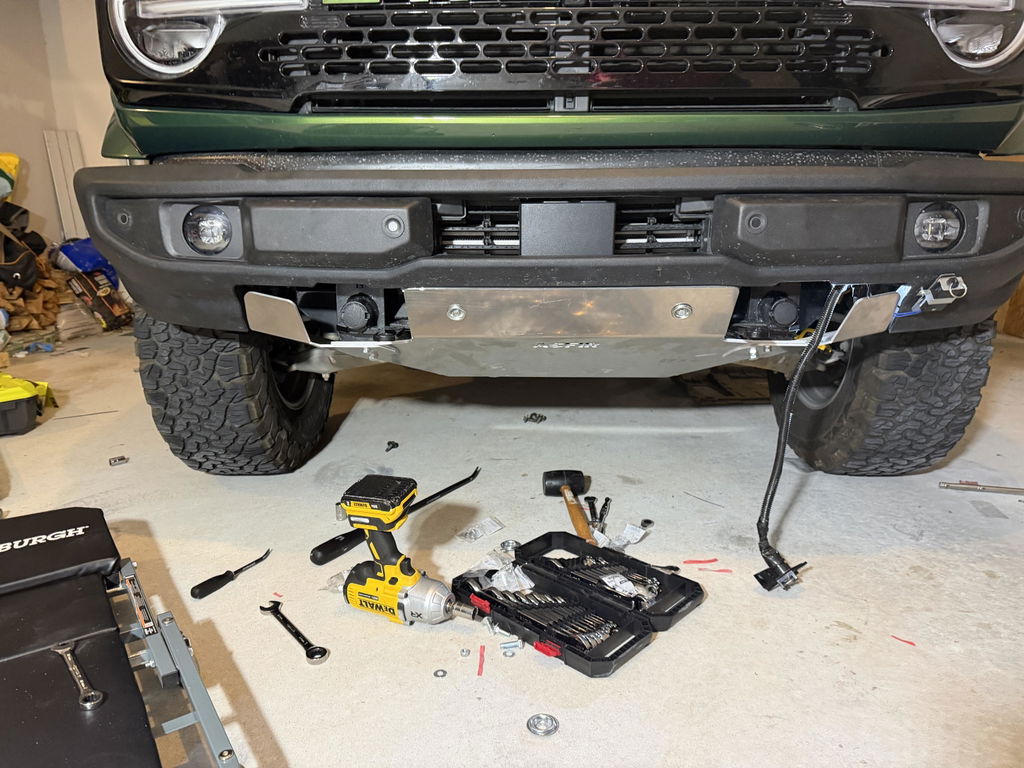
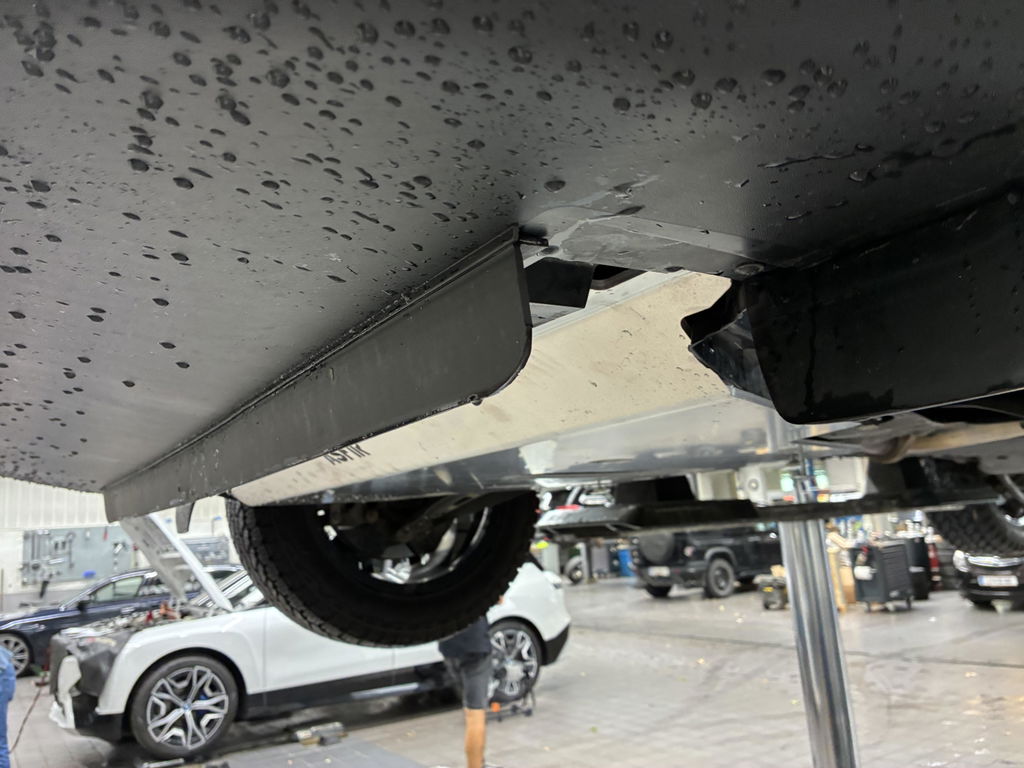
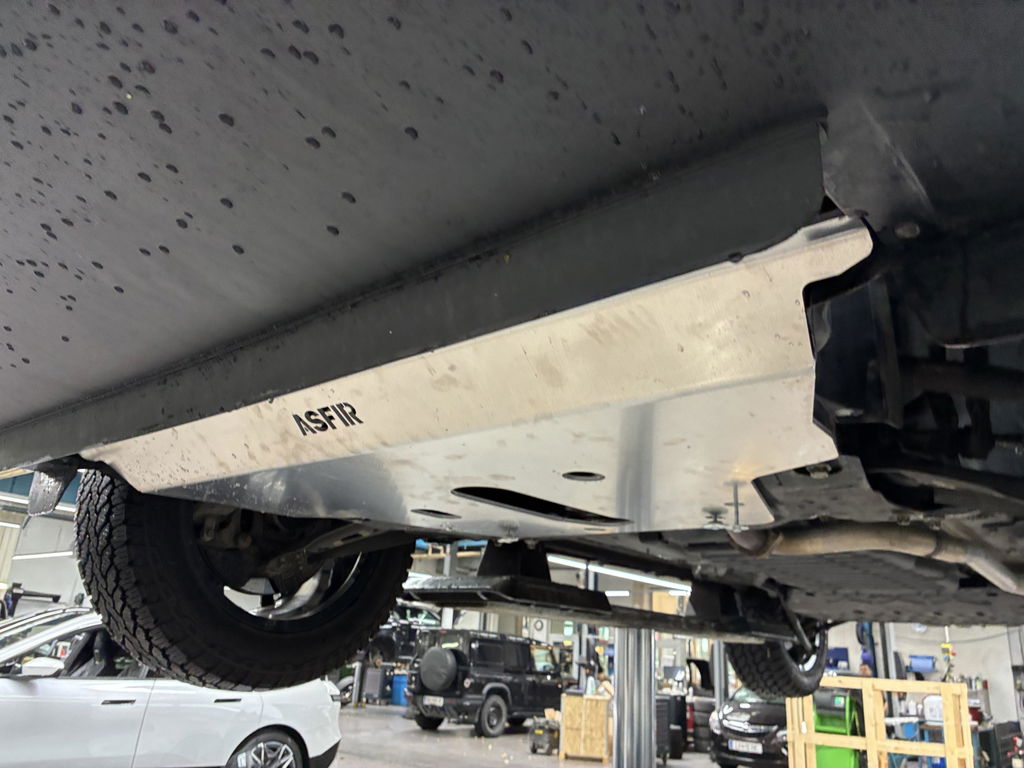
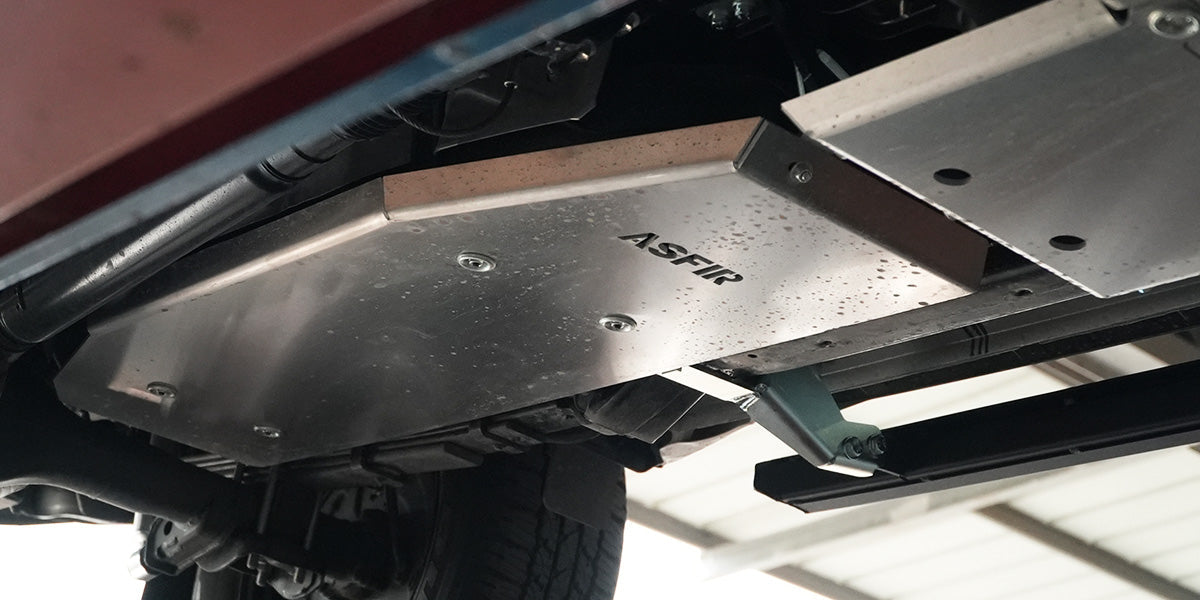
For most serious off-road use in Australia — creek crossings, coastal tracks, long remote trips — 6mm aluminium's combination of strength, weight, and total immunity to corrosion makes it the more durable long-term choice, which is why it's the material ASFIR bash plates are built from.
Every ASFIR bash plate is backed by our Lifetime Limited Warranty against manufacturing defects — see our Refund Policy for full details.